-
 Indiana officials say the state is declaring freedom from the Highly Pathogenic Avian Influenza, or bird flu. A bird flu-free status means a state has eliminated disease on all affected farms and no new infections are detected after waiting for 28 days.
 -
 Braun put out a statement underlining that the state was monitoring both the impact of the outbreak on farmers and any risk of human exposure.
 -
 Drones have been reported near farms quarantined for bird flu at Adams, Allen, Jackson and Jay counties in Indiana and locations in Ohio. Security officials warn they could spread the virus.
 -
 The public health risk remains low, but bird flu variants have proven to be unpredictable, which is why the virus is a top priority for the federal government.
 -
 A flock of turkeys in eastern Indiana has tested positive for H5N1 or bird flu.
 -
 The USDA has outlined a five-point plan for regular bulk milk testing, which ramps up or down depending on whether any infected milk is detected.
 -
 So far, there have been 14 human cases of bird flu this year. All the patients — except the one from Missouri — had been linked to sick dairy cows or poultry.
 -
 State fairs can spread viruses from animals to humans. With bird flu found in cows for the first time ever, some experts advise caution.
 -
 New research suggests that some of the bird flu virus could survive the pasteurization process. But the researchers say we don't know how that translated into real life. For now, health experts affirm commercial milk is safe. The biggest concern right now is raw, unpasteurized milk.
 -
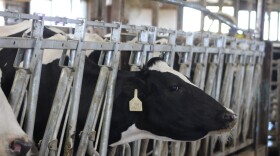 Bird flu continues to spread. Scientists worry states aren't testing enough to know the extent of itSome states’ wait-and-see approach worry public health expert as bird flu inches closer to humans.

© 2026 | Privacy Policy
Play Live Radio
Next Up:
0:00
0:00
Available On Air Stations


