-
 State reports show substance use is driving deaths among new Indiana mothers.
 -
 A study in The Lancet finds that pregnant women in emergency rooms used less Tylenol after President Trump said it could raise their babies' risk of autism. Scientists say there is no proven link.
 -
 Monthly stipends will go to families living in areas with the most infant deaths.
 -
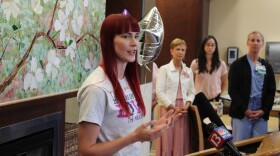 Donated human milk is particularly important for babies in the neonatal intensive care unit whose mothers may be unable to breastfeed them.
 -
 Experts worry about the impact of cuts to Medicaid and public health on maternal and infant health.
 -
 The Indiana Senate passed a resolution in support of pregnancy care centers — but advocates said they have “serious concerns” about the move from lawmakers. Some OB-GYNs said it’s important to understand what pregnancy care centers are, and what they are not.
 -
 A resolution strongly supporting the work of Indiana’s pregnancy care centers moved through the state legislature. Some health experts worry it further legitimizes these centers, which they say provide misleading information to vulnerable patients.
 -
 Abortion bans can impact pregnant people who may experience a spontaneous miscarriage. Some women in abortion ban states have even died because of that. So, what do pregnant women and their loved ones need to know to prepare in case of an emergency?
 -
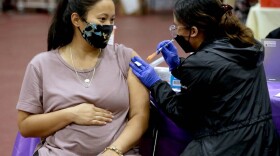 Babies under six months can't be vaccinated directly against COVID. A new study found that most infants hospitalized for COVID had mothers who didn’t get the vaccine while they were pregnant.
 -
 A statewide program to support pregnant people and new parents with substance use disorders received nearly $3 million in federal funding to expand. The Pregnancy Promise Program expects to use the funding to prioritize rural and under-resourced communities.

© 2026 | Privacy Policy
Play Live Radio
Next Up:
0:00
0:00
Available On Air Stations


