-
 President Donald Trump approved the $14.9 billion sale of U.S. Steel to a Japanese company — despite promising before last year's election to block it. However, a union representing thousands of steel workers in Indiana continues to raise concerns about the deal and how it could impact workers.
 -
 Blast furnaces that use coking coal generate the largest share of emissions in the steelmaking process.
 -
 A cohort of 16 northwest Indiana residents hope to bring cleaner steel to the Region. This comes as U.S. Steel and Cleveland Cliffs plan to extend the life of their coal-based blast furnaces.
 -
 International Recycling Group Erie’s recycling facility in Pennsylvania would make plastic pellets to replace coke in steel blast furnaces — which generate a lot of greenhouse gas emissions. But activists worry using the plastic would release hazardous chemicals into the air and storing it would be a fire hazard.
 -
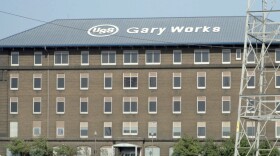 Climate advocates said the climate action plans for both companies look similar, and neither is particularly ambitious.
 -
 Gov. Eric Holcomb said the sale of U.S. Steel to a Japanese company reflects the need to remain competitive in a global marketplace.
 -
 A Northwestern steel plant announced plans to delay relining a blast furnace in Burns Harbor, Indiana. This comes after calls from advocates to abandon its plan to lock in “dirty” steel techniques.
 -
 Indiana is a powerhouse for steel manufacturing more than a quarter of all U.S. steel is made here. But the state could lose that title if it doesnt transition to a greener way of making steel. Thats according to a new report by the American Council for an Energy-Efficient Economy and the Citizens Action Coalition of Indiana.
 -
 A report by the Indiana Department of Environmental Management this week says U.S. Steel violated its permit when it released excess iron into a Lake Michigan waterway last month, causing it to turn a rusty color.
 -
U.S. Steel Midwest idled the plant in Portage, about 30 miles east of Chicago, as a precaution after it said a wastewater treatment facility experienced “an upset condition” that sent the rusty colored plume containing elevated levels of lead into the Burns Waterway on Sunday.

© 2026 | Privacy Policy
Play Live Radio
Next Up:
0:00
0:00
Available On Air Stations


