

Andrea Muraskin
-
 NPR's health reporters followed the emerging science on what keeps our brains and our minds healthy. Here are highlights of the studies that piqued our readers' interest the most.
 -
 In Columbus, Ohio, Judge Paul Herbert's court represents a small but growing trend in the justice system: specialty courts designed to treat victims of prostitution differently.
 -
 An annual ranking of the 50 largest U.S. metro areas that assesses a city's fitness based on the built environment and personal health behaviors, listed Indianapolis last.
 -
 It's that time of year again: the open enrollment period for people shopping for health insurance on the Affordable Care Act exchanges. Open enrollment started Nov. 1 and runs until Jan. 31, 2016. In this guide, we've compiled what you need to know to get started.
 -
 More than 326,000 people experience cardiac arrest outside of a hospital each year. About 90 percent of them die, often because bystanders don't know how to start CPR or are afraid they'll do it wrong.
 -
 Naloxone, also known as Narcan, can instantly save the life of a person who is overdosing. It was previously only available to medical personnel and public safety officials, and opioid drug users with a prescription from their doctor. Under the new law, Indiana doctors may issue prescriptions to "third parties" - family members or friends of people addicted to heroin or prescription painkillers.
 -
 Advocates worry that a provision in the bill could scare families from asking for the drug.
 -
 When a new ethnic group moves into a more racially homogeneous neighborhood, tensions tend to arise. While well-intentioned people want to reach across that divide, they don't always know how. Meridian-Kessler's Zone 2 is a predominantly African-American area that's seeing more white families move in. Can residents come together despite the racial history of the neighborhood and of Indianapolis?
 -
 How does a rough neighborhood turn a corner? And when? As part of the Neighborhood Project, reporter Andrea Muraskin spent time in the Near Westside. she found that, when it comes to public safety, perception is powerful.
 -
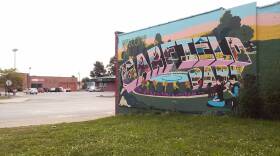 How much power does a neighborhood have to control its development?


