


Jennifer Ludden
Jennifer Ludden is a correspondent on NPR's National Desk where she covers housing, homelessness, poverty and inequality.
She tells stories of people struggling with the country's massive shortage of affordable housing, and explores policies and programs that try to help. She tracks changing laws around homelessness, and how communities are managing the record number of people without housing. Ludden has reported on millionaires lobbying working-class voters about the dangers of the economic divide; on tackling poverty with cash aid; and the struggle to get AC in public housing. She also helps cover major news stories, including natural disasters that have upended people's lives.
Previously, Ludden edited stories on climate and energy, working with NPR staffers and public radio reporters across the country. They tracked the shift to clean energy, and how people and communities are coping in a warming world. Before that, as an NPR correspondent, Ludden's various beats included changing family life and social trends, immigration, and U.S. national security after the 9/11 attacks.
Before moving to Washington D.C., Ludden reported for NPR while based in Canada, West Africa, Europe and the Middle East. She shared in two awards (Overseas Press Club and Society of Professional Journalists) for NPR's coverage of the Kosovo war in 1999, and won the Robert F. Kennedy Award for her coverage of the overthrow of Mobutu Sese Seko in what is now the Democratic Republic of the Congo. Beyond conflicts, she reported on cultural trends, including the emergence of Persian pop music in Iran and the rise of a new form of urban polygamy in Africa.
Ludden's first public radio jobs were at member stations in Maine and Boston. She has midwestern roots, grew up in Tennessee, and graduated from Syracuse University.
She can be reached via encrypted message at jenniferludden.20 on Signal.
-
 Homelessness declined after years of record-high levels but it still remains at nearly 700,000. The Trump administration and homeless advocacy groups cite different reasons for the drop.
-
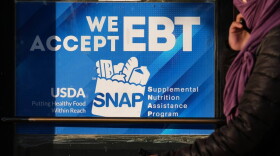 The high court decision allows a lower court time to consider a more lasting pause. The Trump administration is appealing an order to fully fund November food aid for millions of people.
-
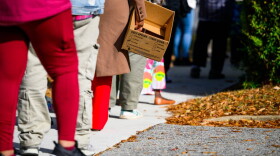 In failing to fully fund the food assistance program that covers 42 million low-income Americans, the judge said the government "failed to consider the harms" to people who rely on the benefits.
-
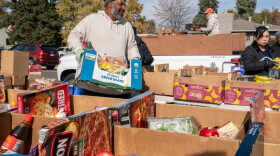 About 1 in 8 U.S. residents get an average of $187 a month per person in the food assistance known as SNAP. For the first time, the Trump administration stopped the payments due at the beginning of the month.
-
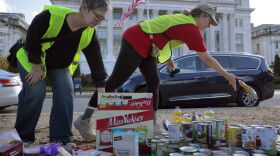 Judge Indira Talwani acknowledged this will leave millions of people without assistance starting Saturday. Two dozen Democratic-led states had sued over the administration's decision to suspend SNAP.
-
 The White House directive calls for prioritizing money for programs that require sobriety and treatment, and for cities that enforce homeless camping bans.


