-
 Black leaders and community members in Indianapolis gathered for the second annual Melanin Table Talk to address racial disparities in health and life outcomes and to promote civic engagement.
 -
 Sickle cell disease is a debilitating genetic blood disorder. Many kids with the disease find themselves missing out on fun, immersive experiences like overnight summer camp. But one Indiana camp is looking to change that.
 -
 Pharmaceutical giant Eli Lilly is partnering with patient advocacy group Susan G. Komen to expand resources to support Black women facing breast cancer in Indianapolis, Chicago and St. Louis. The spokeswoman for the new partnership is an Olympic athlete who has battled breast cancer.
 -
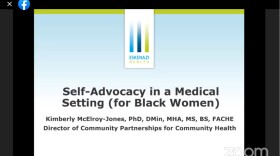 An Eskenazi Health official recently shared tips for how Black women can better advocate for themselves in health care settings and how that can lead to better outcomes.
 -
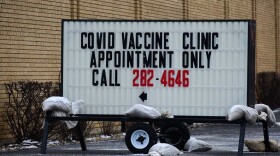 The funding from the Centers for Disease Control and Prevention will help programs such as door-to-door outreach to raise awareness about vaccinations or help people sign up to get vaccinated.
 -
 Many Indianapolis organizations, public and private, hope to lower violent crime by addressing root causes. These groups mentor, feed people, increase employment opportunities, reduce homelessness and connect those in need with mental health services. This series reports on their work, their funding and their ongoing challenges.
 -
 Amid the twin pandemics of the disproportionate impact of the coronavirus on Black Hoosiers and the reckoning with systemic racism in America, Glynita Bell, a behavioral therapist and licensed clinical social worker, says she's opened her door to more Black women who need emotional support.
 -
 The video -- with its allegations of racial insensitivity -- has sparked an outcry on social media. Some commenters -- including doctors -- say the allegations reflect long-standing structural racism within the medical profession.
 -
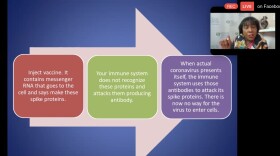 Indiana health officials joined a webinar to discuss COVID-19 vaccination advances and efforts to equitably vaccinate Hoosiers.
 -
 Poverty and other living conditions can affect your health. These factors -- known as social determinants of health -- can explain why pockets of African-Americans and Latino Hoosiers experience more COVID-19 cases than any other group.

© 2026 | Privacy Policy
Play Live Radio
Next Up:
0:00
0:00
Available On Air Stations


