

-
 Local wineries are preparing for an insect with a benign-sounding name but one whose potential for damaging grapevines could force them to outsource grapes or raise prices.
 -
 The Clean Water Indiana Program usually provides matching dollars to help farmers and landowners implement practices like cover cropping and no-till agriculture — to keep the soil from eroding and getting into local waterways.
 -
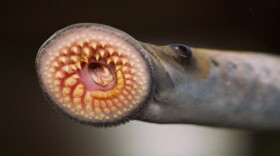 The Trump administration’s efforts to cut funding could make it easier for invasive species to thrive in the Great Lakes. Advocates said that could devastate aquatic life in Lake Michigan and harm Indiana’s sport fishing and tourism industries.
 -
 Jumping worms are different from typical earthworms. They consume a lot of nutrients from the soil, changing its makeup. This change makes it hard for many plants to grow well.
 -
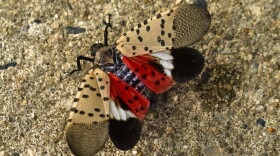 An invasive insect that could affect Hoosier grape growers and honeybee producers has migrated to northern Indiana, one year after being first spotted in…
 -
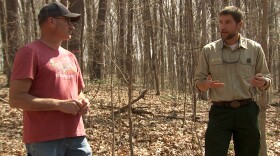 As part of the Buffalo Springs Restoration Project, the forest service wants to cut down trees, do prescribed fires and use some herbicides on thousands of acres near Patoka Lake.
 -
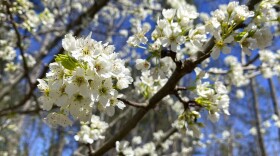 Indiana is among 12 midwestern and western states that have reported invasions, though most are in the South and Northeast.
 -
 Experts highlighted the importance of citizen watchdogs at this year's Indiana Cooperative Invasive Species Management Area conference.
 -
 Poison hemlock has been in the state for years. Now the deadly invasive plant is moving into more urban areas.
 -
 Spotted lanternflies feed on grapevines, hops, and several kinds of trees — including many fruit tree varieties.

© 2026 | Privacy Policy
Play Live Radio
Next Up:
0:00
0:00
Available On Air Stations


