 DONATE


Back to: Cultural Manifesto
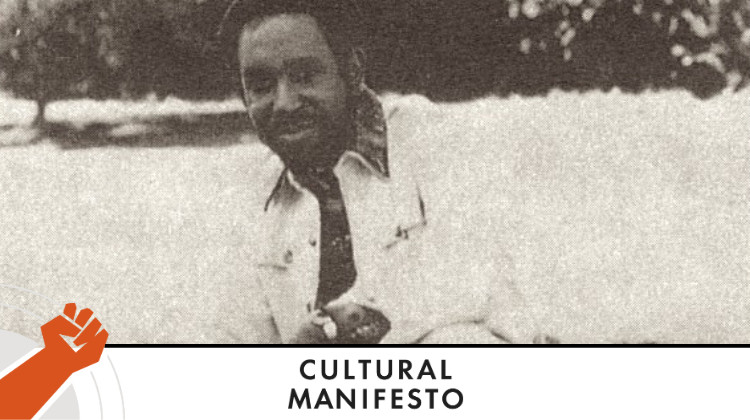
Exploring Gil Scott-Heron’s work with the Princeton, Indiana producer Robert Hosea Williams


January 28, 2026
Explore the work of the Princeton, Indiana producer and engineer Robert Hosea Williams (also known as R. José Williams) best known for his work with Gil Scott-Heron.
Williams was born in 1936 in Princeton, Indiana, the county seat of Gibson County in the state’s far southwestern corner. While his career would eventually take him far from southern Indiana, his family’s roots in the region ran deep.
His mother, Martha Alice Stewart, came from one of Gibson County’s long-established Black families. Her father, Hosea Henry Stewart, was born in Lyles Station, Indiana, one of the most significant Black settlements in the state.
Founded in the 1840s by free Black landowners, Lyles Station grew into a self-sustaining farming community with its own school, churches, businesses, and railroad access. For decades, it served as a center of Black life in the region.
Gibson County was home to several early Black settlements, formed by free Black families migrating from the South in the early 19th century. These communities emphasized land ownership, education, spiritual life, and mutual support—values passed down across generations, even as many rural settlements declined in the 20th century due to flooding, economic change, and migration into towns like Princeton.
Williams’ family left Princeton in the late 1940s, but the values of self-determination and cultural pride rooted in Gibson County found their way into Williams’ production work, reflected in the socially conscious music he produced for artists like Gil Scott-Heron and Father’s Children.
In the early 1970s, Williams established himself as a recording engineer and producer in the Washington, D.C. area, building a career that placed him at the center of the city’s vibrant but often overlooked soul and R&B scene. In D.C., Williams founded Red, Black and Green Productions, named after the Pan-African flag. Under that banner, he worked with many R&B and funk musicians clustered around the nation’s capital, including Father’s Children, The Summits, and Dyson’s Faces.
In 1973, Williams came to the attention of poet and singer-songwriter Gil Scott-Heron, who had been teaching at Federal City College in D.C. Scott-Heron had gained national prominence with his 1971 recording The Revolution Will Not Be Televised. Along with his musical collaborator Brian Jackson, Scott-Heron secured Williams as producer and engineer for his classic 1974 release, Winter in America.
Join us for music featuring the engineer and producer Robert Hosea Williams.
Listen
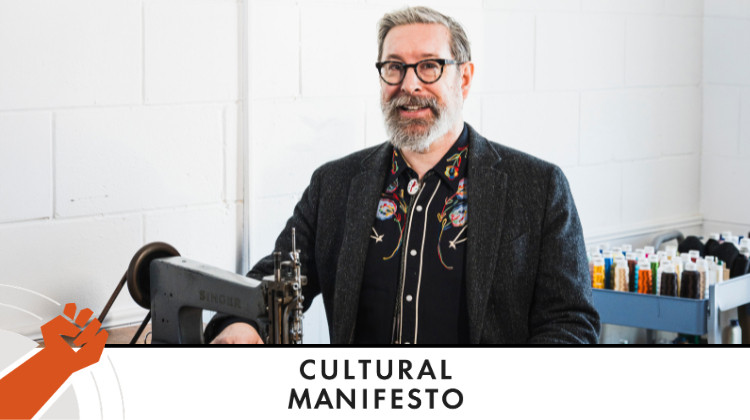

Western wear designer Jerry Lee Atwood discusses his solo exhibition, Cowboy Couture
March 25, 2026
Indianapolis designer Jerry Lee Atwood carries the tradition and spirit of classic Western...
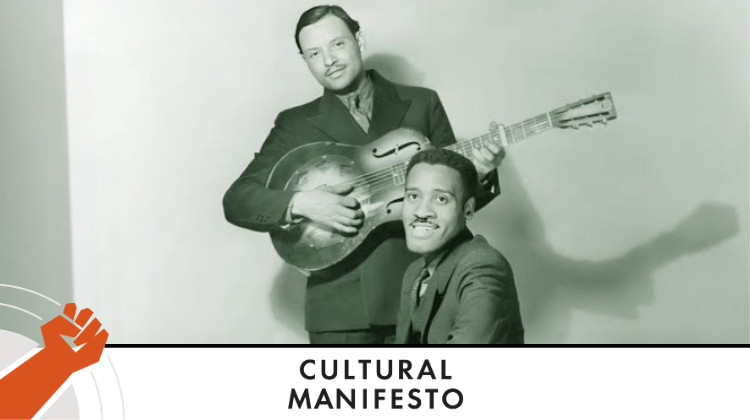
How Indianapolis’ Leroy Carr and Scrapper Blackwell influenced Bob Dylan’s music
March 25, 2026
Bob Dylan turns 85 this May — and he’s still on the road. Hear how Dylan’s...
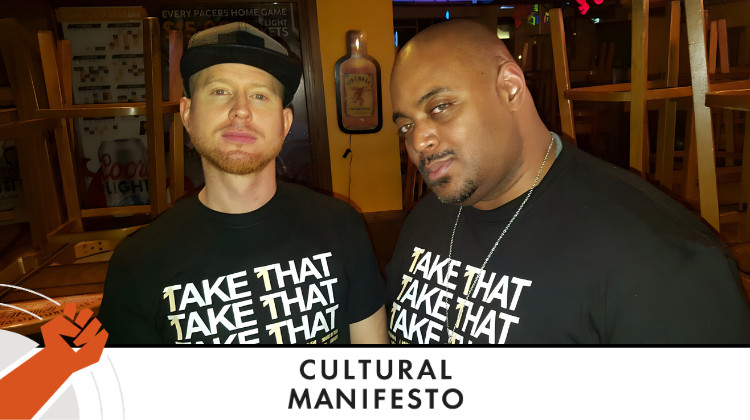
DJ Metrognome and J. Moore celebrate 20 years of Take That Tuesday
March 18, 2026
For two decades, Take That Tuesday has been a cornerstone of Indianapolis hip-hop DJ culture—providing...
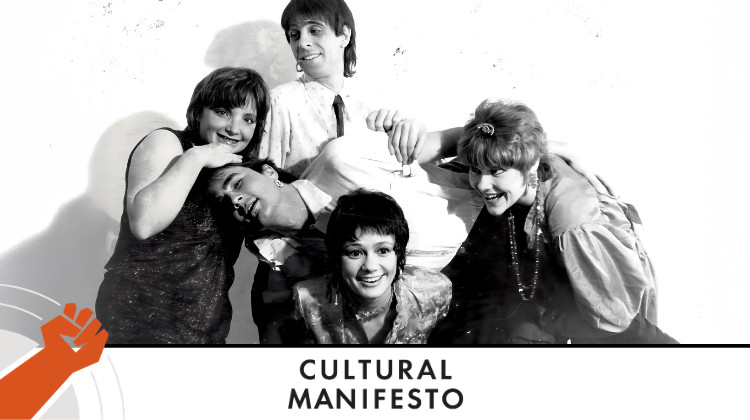
Celebrating the women pioneers of Indiana punk, noise, new wave and alternative music
March 11, 2026
Celebrate Women’s History Month by honoring the women who helped build Indiana’s...
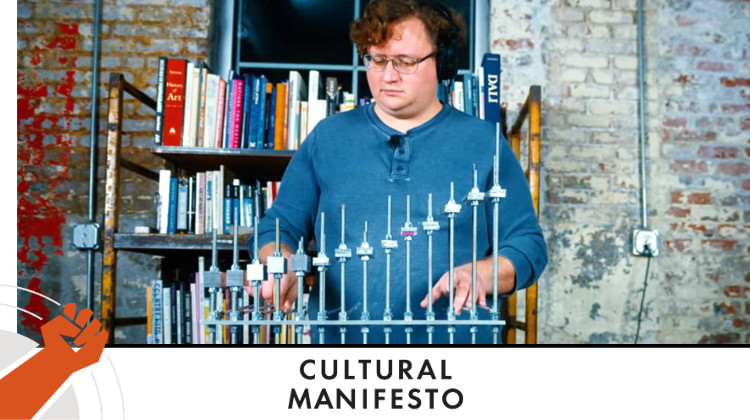
Composer and instrument builder Rob Funkhouser discusses Respiratory Cycle
March 4, 2026
Listen to an interview with the Indianapolis-based composer, performer, and instrument builder...
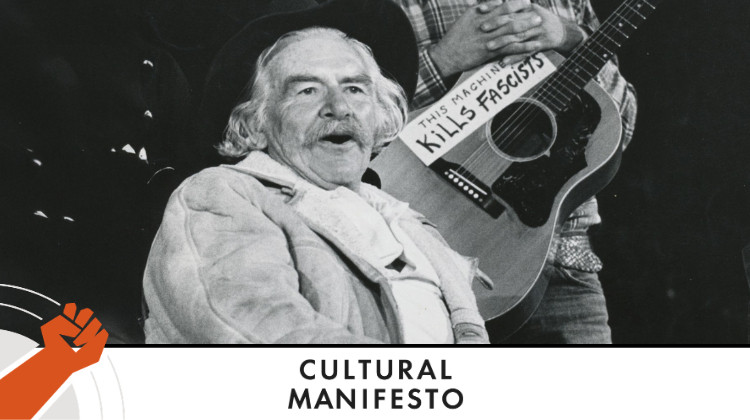
Indiana’s Will Geer fought fascism with art and toured the U.S. with folksinger Woodie Guthrie
March 4, 2026
Celebrate the life and work of Will Geer by exploring his friendship and artistic partnership...
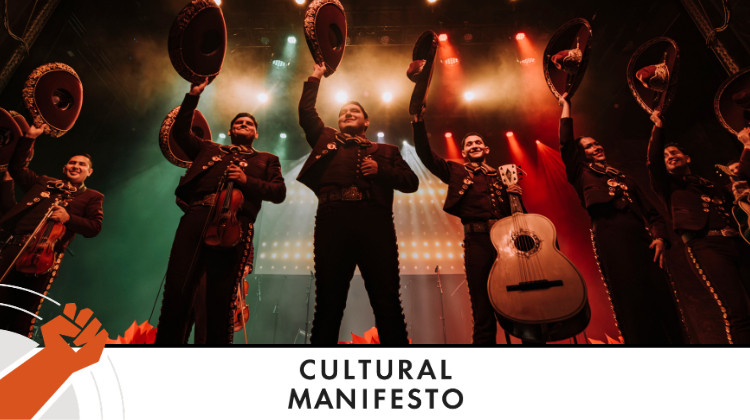
Cesar Maldonado on the roots of Mariachi Herencia de México
February 18, 2026
Listen to a conversation with Cesar Maldonado, founder and artistic director of Mariachi Herencia...
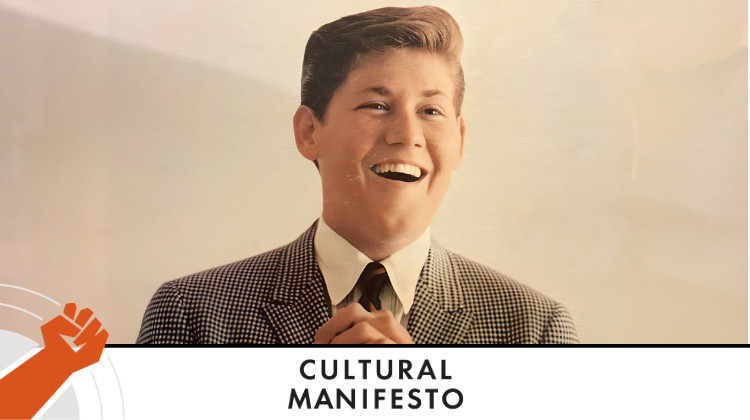
Wayne Newton on his early work in country music
February 11, 2026
Listen to Kyle Long’s interview with “Mr. Las Vegas” Wayne Newton. With a...
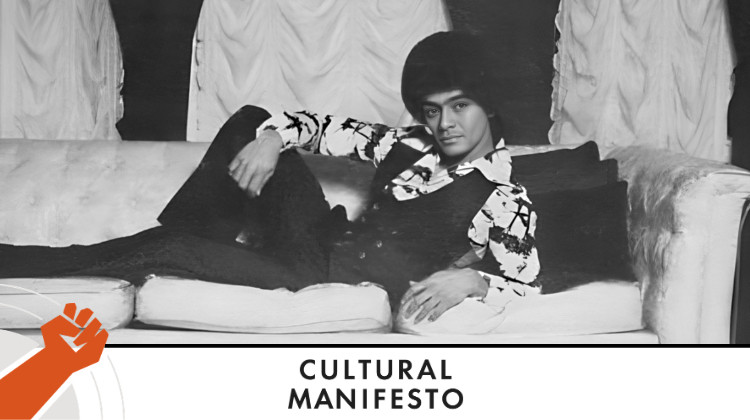
The Indiana pioneers of Puerto Rican music
February 11, 2026
Bad Bunny’s performance at the Super Bowl last Sunday was the most-watched halftime show...
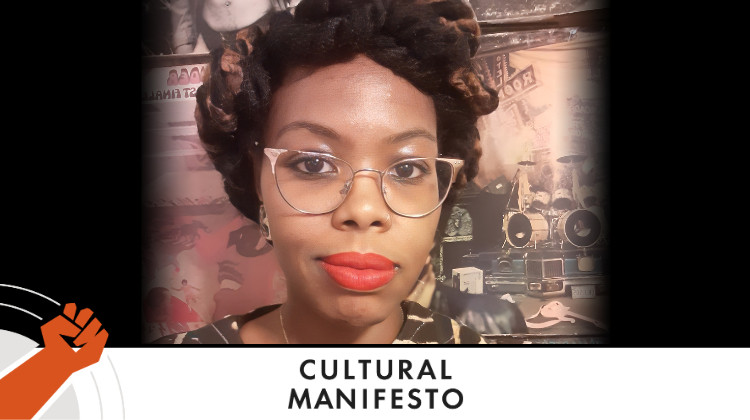
Scholar and broadcaster Nia I’man Smith discusses Sonic Blacknuss Radio
February 4, 2026
Kyle Long speaks with Nia I’man Smith, who is a scholar and radio host based in Bloomington,...
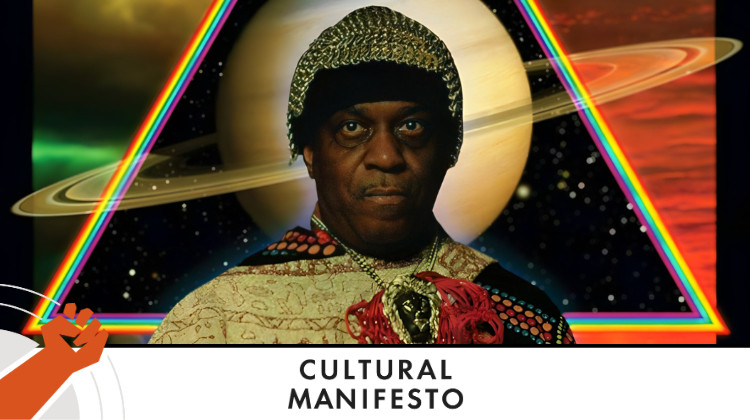
Discovering Sun Ra’s Indiana connections
February 4, 2026
This month on American Masters, PBS will present “Sun Ra: Do The Impossible” —...
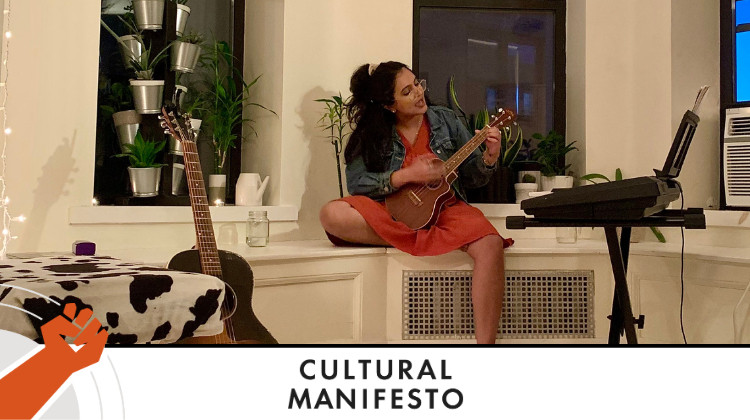
Surina Gangwani is bringing Sofar Sounds back to Indianapolis
January 28, 2026
For more than a decade, Sofar Sounds has connected music fans with intimate, unconventional...
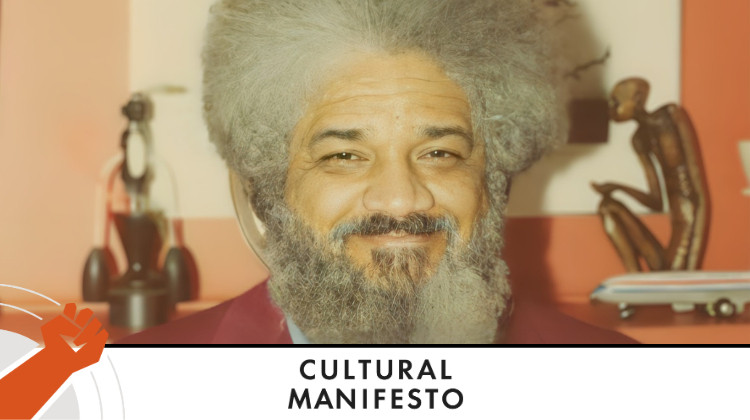
Martin University founder Boniface Hardin fought for equality in classrooms and communities
January 28, 2026
Last December, Martin University announced it would close, citing years of financial strain...
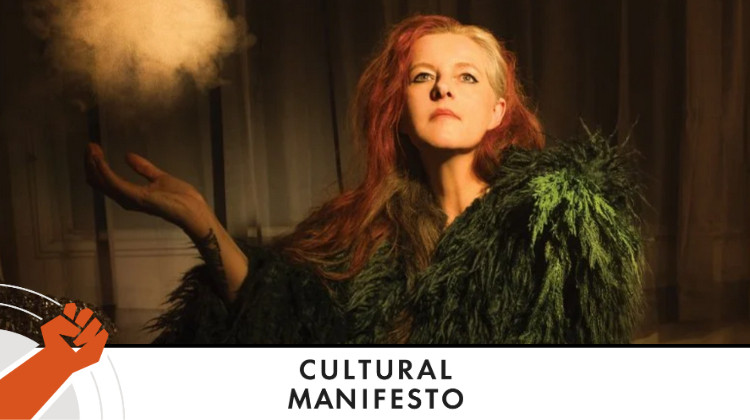
Neko Case discusses her new album, Spotify, and the influence of Umm Kulthum
January 21, 2026
Neko Case is a critically acclaimed singer-songwriter known for her distinctive voice and genre-defying...
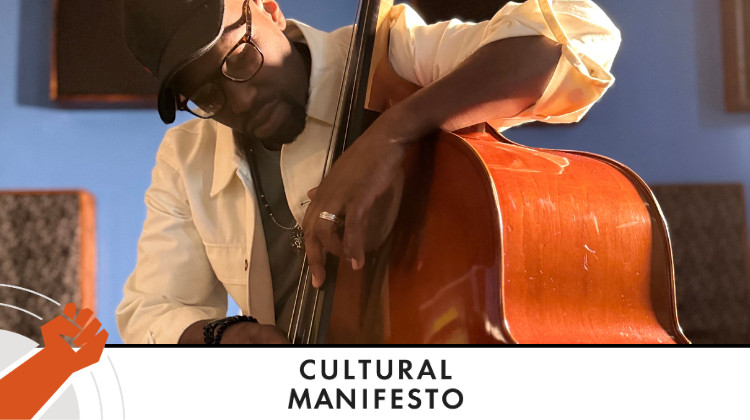
Jazz bassist and beatmaker Brandon Meeks reflects on his roots in Indiana
January 14, 2026
Listen to an interview with Brandon Meeks, an Indianapolis–based jazz bassist, bandleader...
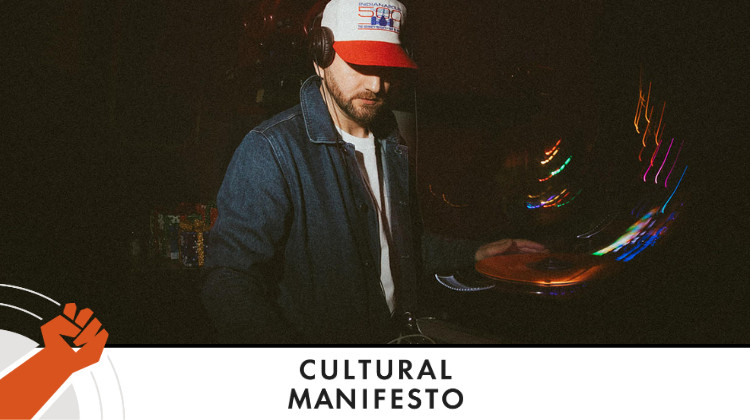
Beatmaker Scott Matelic on the evolution of his soulful, psychedelic hip-hop sound
January 7, 2026
Scott Matelic is an Indianapolis-born hip-hop producer and DJ whose sound emerges from the...
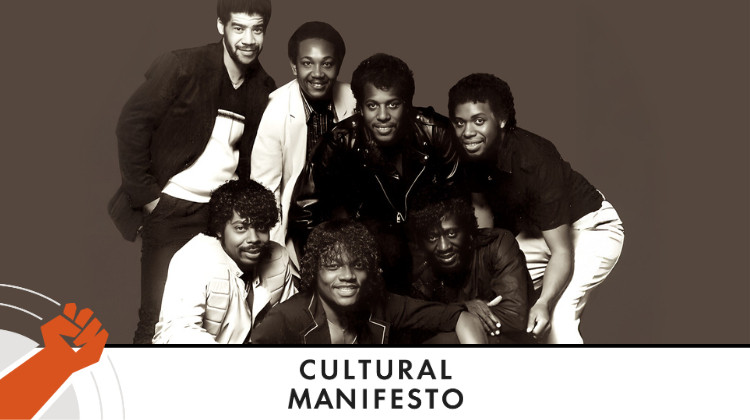
Remembering Indiana musicians who died in 2025
December 31, 2025
Join us as we honor some of the notable Indiana musicians and music figures who passed away...

Standout moments and releases by Indiana musicians in 2025
December 17, 2025
Listen back to the moments and releases that shaped Indiana music in 2025, from long-overdue...
40 Indiana Guitar Pioneers Every Hoosier Should Know
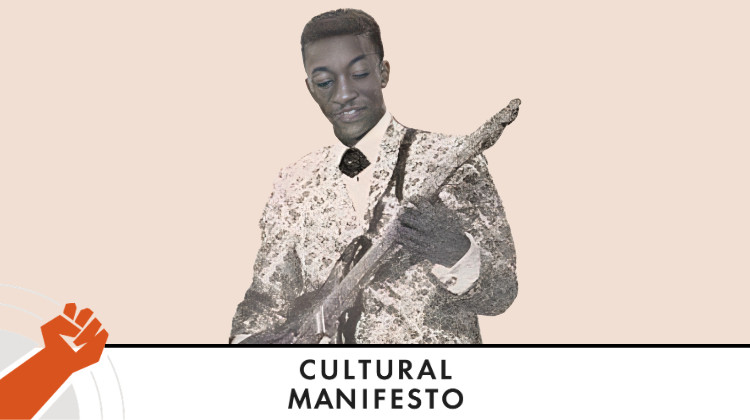
40 Indiana guitar pioneers every Hoosier should know: South Bend, Indiana’s Willie Woods
March 4, 2026
In the third edition of our new segment, “40 Indiana guitar pioneers every Hoosier should...
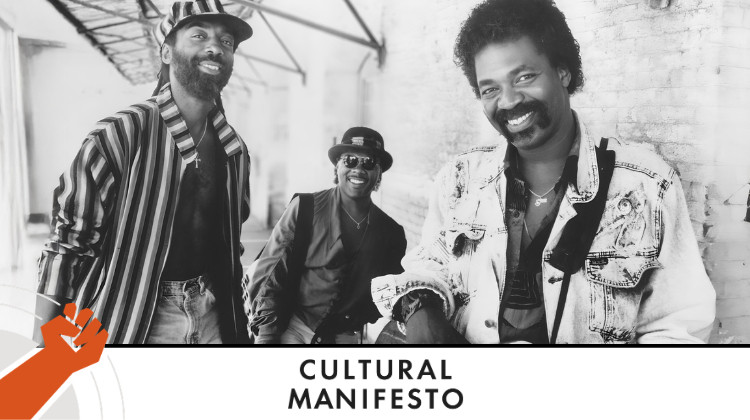
40 Indiana guitar pioneers every Hoosier should know: Gary, Indiana’s Donald Kinsey
February 24, 2026
In the second edition of our new segment, “40 Indiana guitar pioneers every Hoosier should...
40 Indiana guitarists every Hoosier should know: Evansville, Indiana’s Jackie Clark
December 10, 2025
This is the first edition of a new Cultural Manifesto segment titled “40 Indiana Guitar...
 View More Articles






 Support WFYI. We can't do it without you.