 DONATE




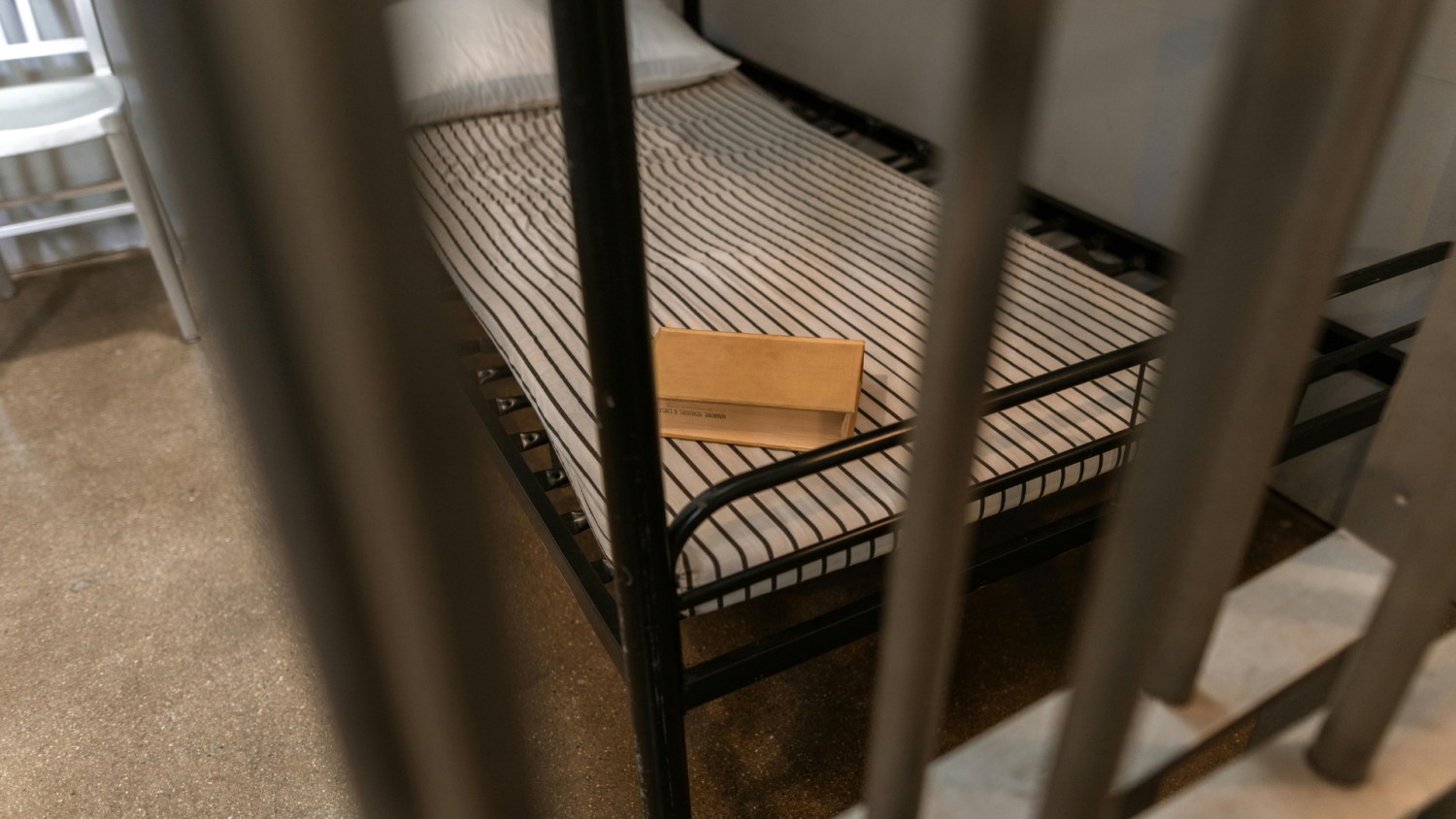
Most apartments and housing agencies run background checks and check sex offender registries, and any criminal record or registered sex offender will show up. Landlords can legally deny housing to people with records for many reasons — and many do.
RODNAE Productions / PexelsHousing is the number one thing people ask reentry agencies for help with — and it's about more than just having a roof over a person's head.
A stable address can help formerly incarcerated people access essential resources. From applying for Medicaid or Medicare to getting a job or a driver's license, many agencies require the person to list an address first. Without stable housing, it's harder to move forward.
If you're navigating the world post-incarceration, this guide can help.
Where can I go for help right now?
There are nonprofit organizations and government programs that can offer guidance.
-
PACE helps people and families impacted by the criminal justice system find housing, employment, and other reentry support. They offer in-person services at their office just north of downtown Indianapolis.
-
Marion County Reentry Coalition offers guides to finding housing, jobs, transportation, obtaining IDs, and more.
-
HIP (Homeless Initiative Program) connects people to rapid rehousing and reentry support.
-
CHIP (Coalition for Homelessness Intervention & Prevention) helps people find emergency shelter, permanent housing, and local services.
-
Indiana Legal Services offers free legal help if you're applying for housing or you need help expunging your record.
Can I be denied housing because of my record?
Most apartments and housing agencies run background checks and check sex offender registries, and any criminal record or registered sex offender will show up. Landlords can legally deny housing to people with records for many reasons — and many do.
Larger property management companies often have stricter policies. But smaller, private landlords sometimes have more flexibility and may be more open to second-chance renters.
But, private landlords can't automatically reject you just because you have a record. They're expected to consider:
-
How long ago the offense happened
-
The nature and severity of the offense
-
Whether you've had any issues since
That's because the federal Fair Housing Act bans housing policies that have an unjustified discriminatory impact — even if they don't explicitly mention race or other protected traits. Since criminal history bans often disproportionately affect people of color and people with disabilities, landlords who use blanket policies could be violating federal law.
If you're applying for public housing through the Indianapolis Housing Agency, there are additional rules. Some convictions, like drug-related or violent offenses, might disqualify you temporarily — but you may still qualify later.
If you're denied housing, ask for a written explanation and find out if there's an appeal process.
What can I do to improve my chances of getting approved for housing?
Some ways to strengthen your application include:
-
Getting a co-signer
-
Showing proof of steady income or employment
-
Providing references from an employer, mentor, or reentry program
-
Writing a letter explaining your situation and how things have changed
Some landlords identify as second-chance housing providers and may be more open to working with you. You can search for available options using Second Chance Apartments or local housing Facebook groups.
What housing options are available if I have a record?
Transitional or Reentry HousingThese are short-term housing programs designed specifically for people returning from incarceration. They often include support services like job help, case management, and mental health care.
Examples in Indianapolis:
-
HIP (Homeless Initiative Program) offers reentry services and housing connections
-
Volunteers of America runs transitional housing for people leaving prison
-
The Salvation Army's Harbor Light Center offers temporary housing and addiction recovery for drugs and alcohol
Public or subsidized housing
You may qualify for public housing through the Indianapolis Housing Agency (IHA) or get help paying rent through a Section 8 voucher, or a Housing Choice Voucher Program, which helps low-income families, people with disabilities and the elderly afford housing in a private market. Public housing applicants must be U.S. citizens or have eligible immigration status.
People coming out of incarceration can generally take advantage of this program. But, some convictions — especially recent or serious ones — might disqualify you at least temporarily. Criminal background checks are required for all adult household members on the application.
HUD regulations do explicitly ban admission and occupancy for people convicted of manufacturing methamphetamine in federally assisted housing and sex offenders subject to a lifetime registration requirement.
If you're denied, make sure to ask about appeal options.
Private market rentals
Yes, private landlords can run background checks and turn down applicants with records — but not all do. Some landlords are open to second-chance renters, especially if you can show stability with income, references, or a letter explaining your situation.
Sober living or recovery homes
If you've had issues with addiction to drugs or alcohol, sober living homes, sober living homes offer structured, supportive housing. Some accept people on probation or parole. Just make sure you understand the rules, as these homes often have strict guidelines around employment, curfews, and meetings.
-
Dove Recovery House is the largest recovery housing program for women in Marion and Dubois counties, offering stable housing to women in recovery.
-
Hickory House is a small, residential treatment program serving adults struggling with addiction and co-occurring mental health issues, with individualized treatment services.
Faith‑based housing options
Some programs offer housing paired with spiritual support and resources for their re-entry journey.
Examples in Indianapolis:
-
Indy Grace Place offers shared housing, bible study, and employment help for men recently released from prison.
-
Brookside Community Reentry / Isaiah House supports people returning from incarceration, homelessness, or addiction by offering housing and resources through programs like the Isaiah House Residential Program, The Bridge Service, and the Reentry Hub.
Farrah Anderson is an investigative health reporter with WFYI and Side Effects Public Media. You can follow her on X at @farrahsoa or by email at fanderson@wfyi.org








 Support WFYI. We can't do it without you.