 DONATE




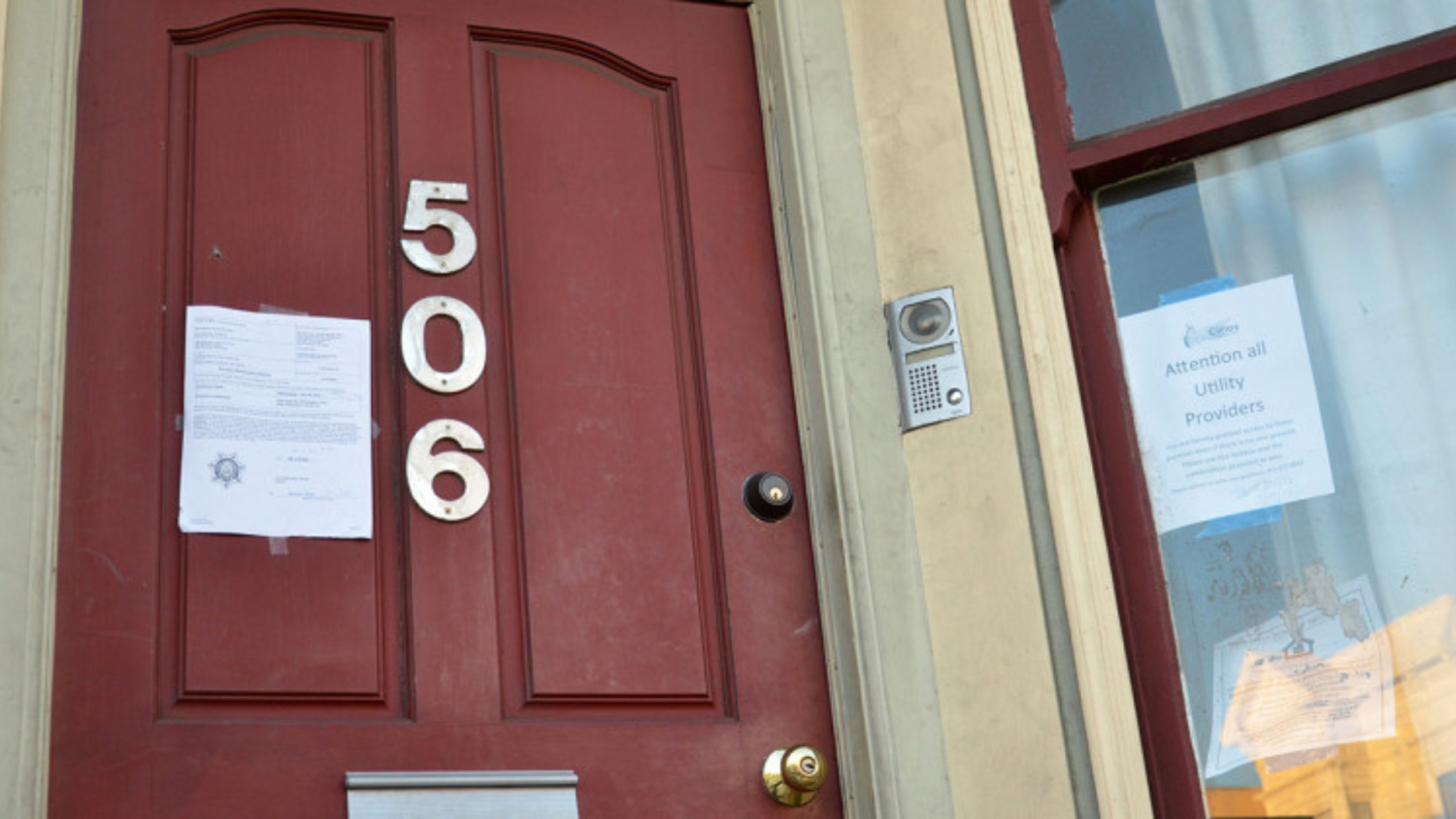
Indianapolis sees disproportionately high eviction rates, despite having a relatively low average monthly rent compared to other major cities in the country. That points to systemic housing issues locally and statewide.
Steve Rhodes / FlickrIndianapolis renters face some of the highest eviction rates in the country, not only compared to other cities in Indiana, but to many major metros across the nation.
Indianapolis ranks near the top for eviction judgements. According to the Eviction Lab at Princeton University, in 2016, the city had the highest total evictions in the state and the second most in the country.
Last year nearly 25,000 eviction filings were made across the city – an average of over 500 filings weekly in Marion County. That amounts to a 14% eviction filing rate or 14 filings per 100 renter households.
Indianapolis sees disproportionately high eviction rates, despite having a relatively low average monthly rent compared to other major cities in the country. That points to systemic housing issues locally and statewide.
Eviction is quick and easy in Indiana
Eviction proceedings can happen in just 10 days and cost as little as $100 in Indiana. Compared to other legal proceedings, which take months or even years, evictions are fast, cheap and efficient for landlords.
Fran Quigley, law professor at Indiana University McKinney Law School, said that helps make the state a "friendly venue for landlords."
"We have a lot of out-of-state corporate landlords wanting to come to Indiana because this is an easy place for them to displace tenants if they need to," he said.
Indiana also has fewer protections for renters than other states. Several laws favoring the housing industry were recently passed by state lawmakers, throwing the power dynamics between landlords and tenants out of balance.
For example, a state law passed in 2020 prohibits cities from regulating screening processes, leasing terms and other relations between property managers and renters.
Indiana is also one of only five states in the nation without rent escrow provisions – policies where tenants can withhold rent when facing habitability issues.
The lack of renter protections not only drives many tenants into eviction court, but can also have major health consequences.
Eviction has been linked to worse mental and physical health outcomes for tenants, including heart disease and even premature death, Quigley said.
"Evictions and housing insecurity are enormously damaging to a person's health," Quigley said. "It really increases the chance somebody will die before their time."
Renters are also not guaranteed legal counsel which, Quigley said, likely compounds problems for tenants.
A recent report finds 1.1% of Indiana renters had representation in eviction court compared to the 69.7% of landlords, according to Legal Services Corporation.
Some neighborhoods are impacted more than others
Eviction filings are not evenly spread across the city. Roughly a third of eviction filings come from a small number of properties across Indianapolis.
Of the 10 buildings responsible for the most eviction filings in Indianapolis over the last 12 months, six are located on the west side of Indianapolis, according to the Eviction Lab.
This trend was present prior to the pandemic. According to the Indiana University Public Policy Institute, Wayne Township, located on the west side of Indianapolis, had both the highest eviction rate and filing rate in Marion County.
Out-of-state landlords and property owners are often behind these high eviction rates. Many of the top evicting property owners in Marion County have increased rent by 40% or more since late 2019, according to a 2022 report from the Fair Housing Center of Central Indiana.
The steep rent hikes have driven out many tenants, either voluntarily because they can't afford it or through eviction.
Quigley said a solution to eviction is more affordable housing for renters, such as federally subsidized housing.
"That program works enormously well for folks who can get access to it," he said. "But three out of every four who are eligible don't."
The Indianapolis Housing Agency – the local agency responsible for providing affordable housing – is currently under federal receivership after decades of mismanagement. The dysfunction at the organization has created more hurdles for some of the most vulnerable low-income renters in the city.
Who is most impacted by eviction?
Eviction disproportionately impacts Black people, families with children and women renters both locally and nationwide.
In Indianapolis, 52% of Marion County's Black residents faced eviction in the last year, even though they make up around 28% of the city's population.
That pattern reflects national trends where more than half of all eviction filings nationally are against Black renters even though they make up around 19% of renters in America.
The country's history of racism has a significant role in the disparity. The impact of local and national redlining practices, which denied Black people access to housing and loan services, still play out today.
After World War II, the government invested a lot of money into home ownership subsidies, but Quigley said Black people were not able to reap the benefits of the federal loan and down payment support.
"At the same time, we were destroying Black neighborhoods, as we've done in Indianapolis," he said. "We see the effects of that. Black families are much more likely to be evicted, much more likely to be unhoused."
Families are more likely to be evicted, with children being the group most impacted by eviction. Women renters also make up more than 60% of the eviction cases in Central Indiana but just over half of the renters in the area.
Collecting data is a challenge, but there are resources to help
Nationally, the most up-to-date comprehensive eviction information comes from Eviction Lab, and that data is nearly 10 years old.
Today, there is still no uniform national system for tracking evictions. Each county and its courts also track data differently, making it difficult to compare eviction rates across states or even cities.
Informal evictions, such as changing the locks or pressuring tenants to leave without going to court, are common among immigrants without legal status who fear retaliation. These evictions often go unreported.
"The total number of people being displaced from their homes is something that I don't know, that anybody has a completely accurate number of," Quigley said.
A lack of accurate data also brings an additional challenge for policymakers who try to address eviction across the state. However, state legislators made moves to streamline the removal of eviction records in a recent legislative session.
A law went into effect July 1, 2025 that creates a mandatory automatic sealing for certain eviction cases and expands eligibility for relief.
Indianapolis residents seeking free legal for eviction can utilize resources, such as Indiana Legal Services, the Neighborhood Christian Legal Clinic and the Tenant Advocacy Project (TAP). Representatives from these organizations are at small claims courts around Indianapolis to help Hoosiers in need of council.
Abriana Herron was a Morning Edition newscaster and reporter at WFYI. She now works as a statewide business reporter at Inside INdiana Business.








 Support WFYI. We can't do it without you.